
Artist
Clarence Cash
oil, acrylic and pastel
About
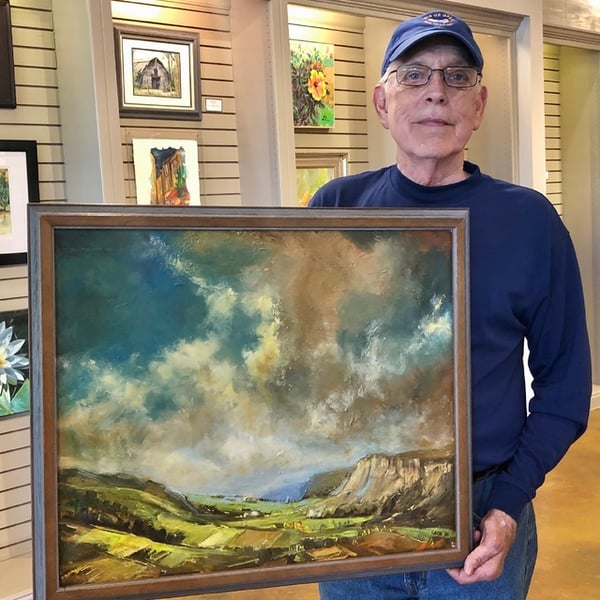
Clarence Cash came to painting the way many artists do — not at the beginning of a career, but at the beginning of something else entirely. After decades practicing law in Arkansas, Cash retired and turned his full attention to the canvas, committing himself to oil and pastel with the same rigor he had once applied to the courtroom. In the ten years since, he has built a substantial body of work rooted in the landscapes of the Arkansas Ozarks and the river corridors that define the region's character.
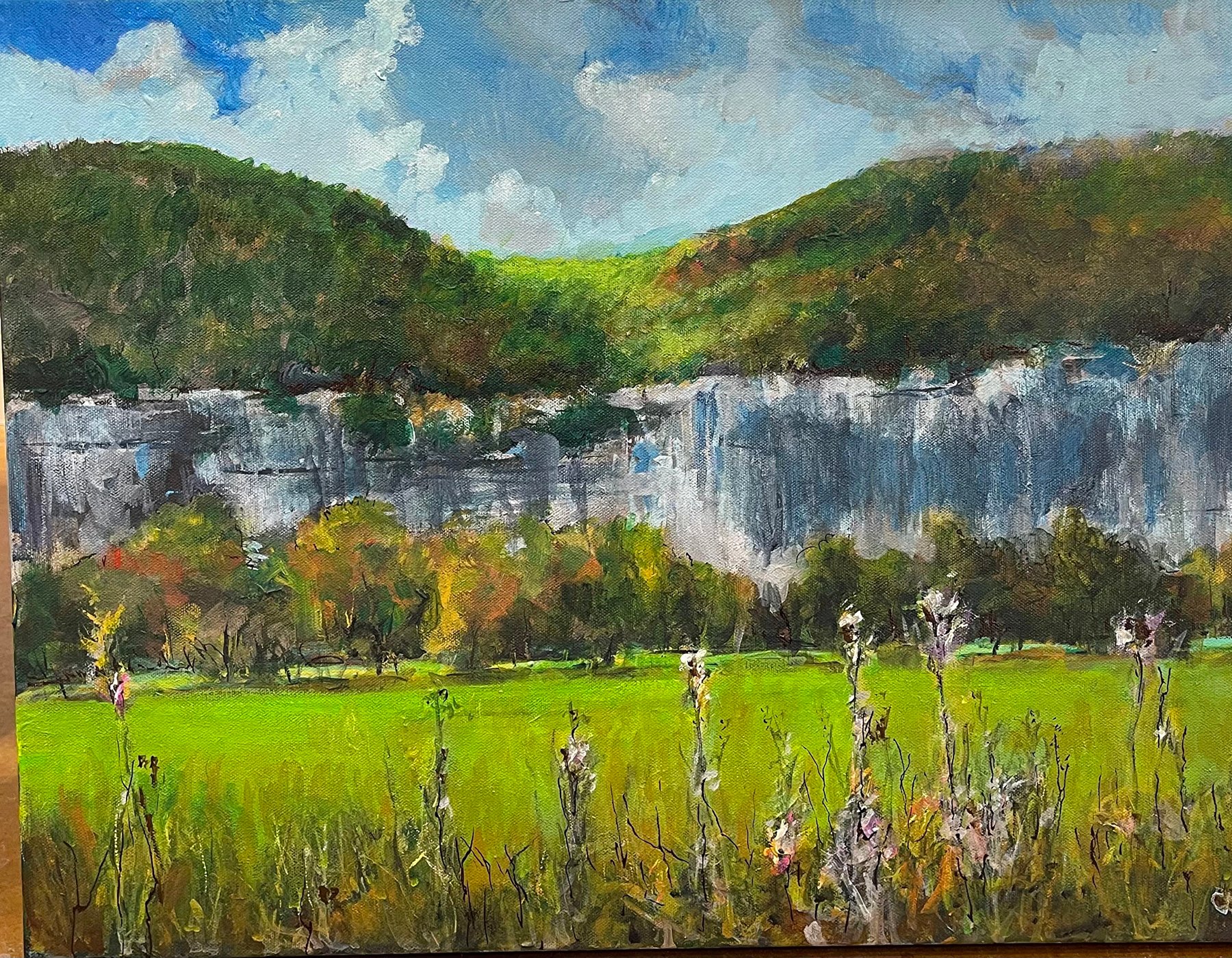
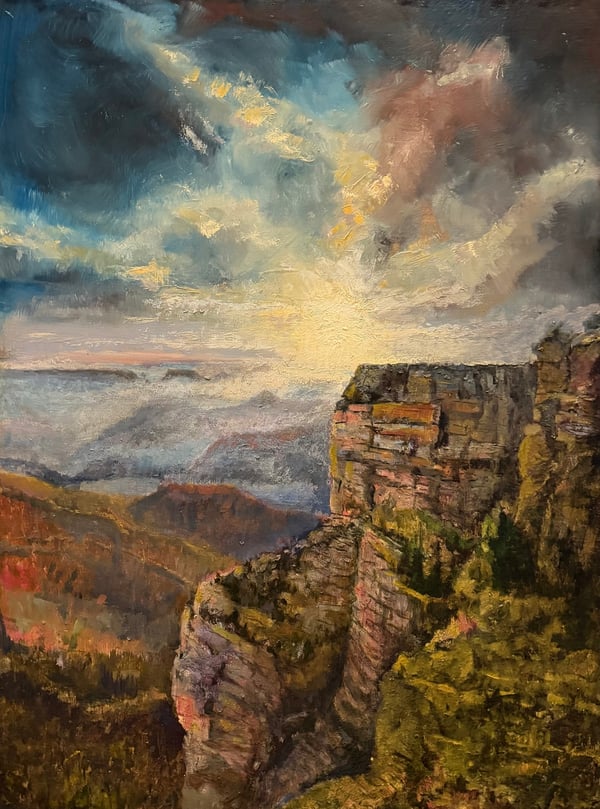
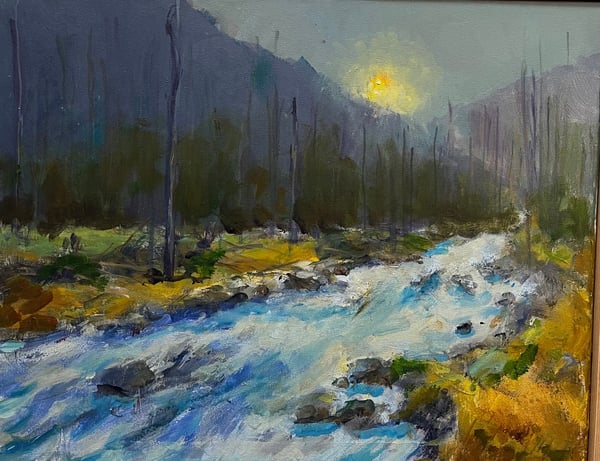
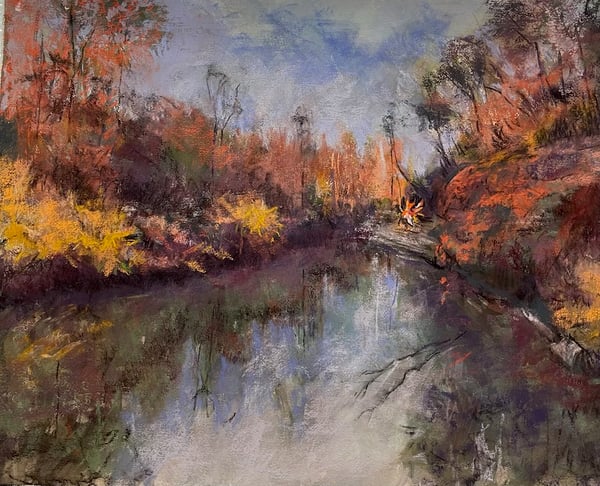
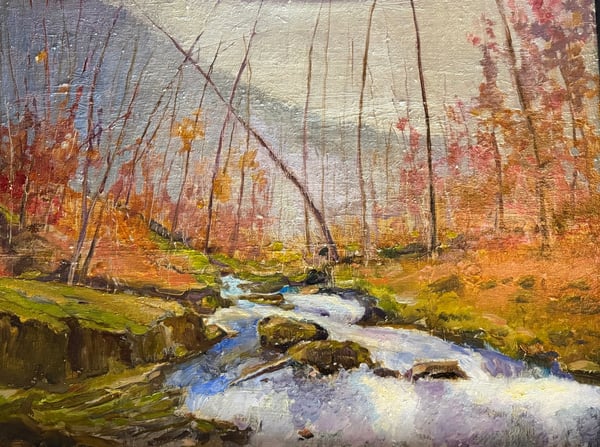
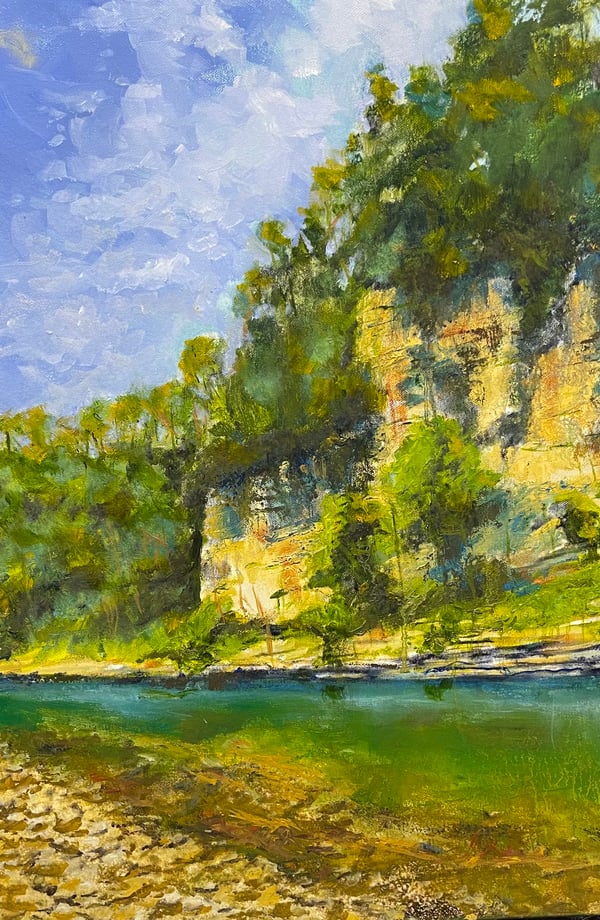
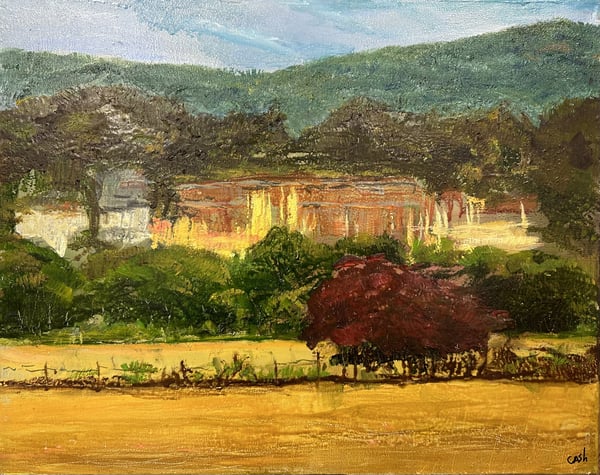
Cash works primarily in pastel and oil, though acrylic appears in his practice when the subject demands it. His landscapes tend toward the impressionistic — loose, gestural, attentive to atmosphere rather than strict documentation. Works such as Fog on the Buffalo and Kyle's Landing (both 2026, pastel on watercolor paper) demonstrate his sensitivity to light filtered through mist and canopy, capturing the Buffalo National River's limestone terrain with layered texture and a quietly contemplative mood. Limedale 2 (2026, pastel on sanded paper) pushes further toward the expressionist end of his range, its dramatic sky and stormy atmosphere rendered in warm russets and cerulean blues that convey weather as much as place.
In oil and acrylic, Cash brings a similarly observational eye. Emerald Spring II (2026, oil on canvas) works through impasto and loose brushwork to render a woodland scene of unusual luminosity, while Buffalo Sunrise and Gateway to Buffalo (both 2026, acrylic on canvas) speak to his ongoing interest in the Buffalo River — its morning light, rocky formations, and the particular quality of reflection that makes the river endlessly paintable.
Cash has served as president of the Arkansas League of Artists and remains an active member of that organization. He teaches painting regularly at Life Quest in Little Rock and at Art Group Gallery, bringing to students the same unhurried discipline that shapes his own studio practice.
He describes his work not as an achievement but as an ongoing condition: "the practice of making art and a continuing goal so long as so engaged." It is a distinctly lawyerly formulation — precise, open-ended, and quietly ambitious — and it suits him perfectly.
Collections
Works
-
 Popular
Day is Gone
$1,500
-
Rushin Creek
$300
-
Autumn Glow
$1,200
-
Double Blooms
$500
-
 Popular
Sandtown Creek
$1,200
-
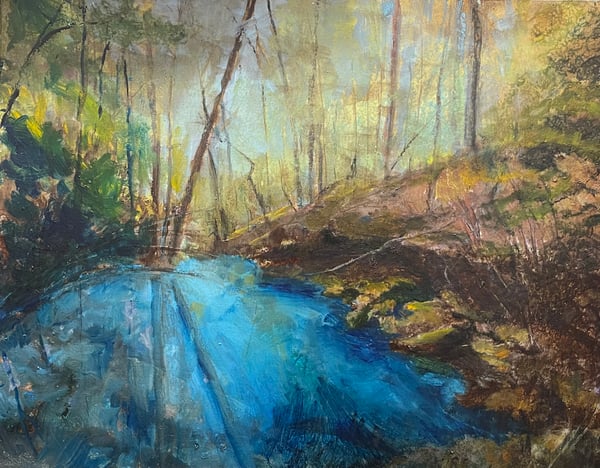
Emerald Spring II
$1,200
-
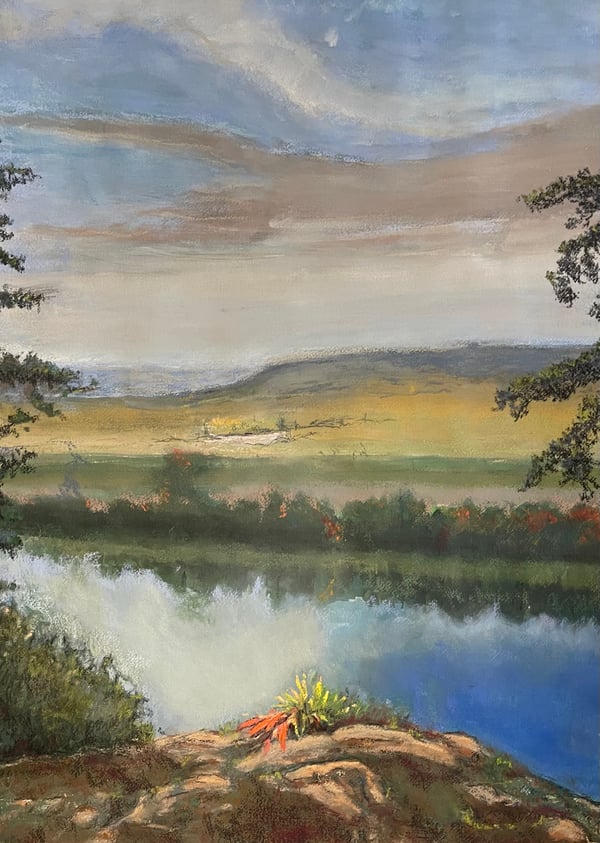
White River at Calico
$1,200
-
 Popular
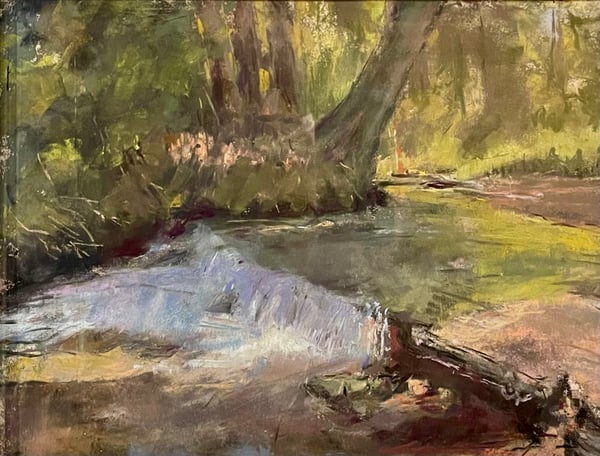
Spring Run
$450
-
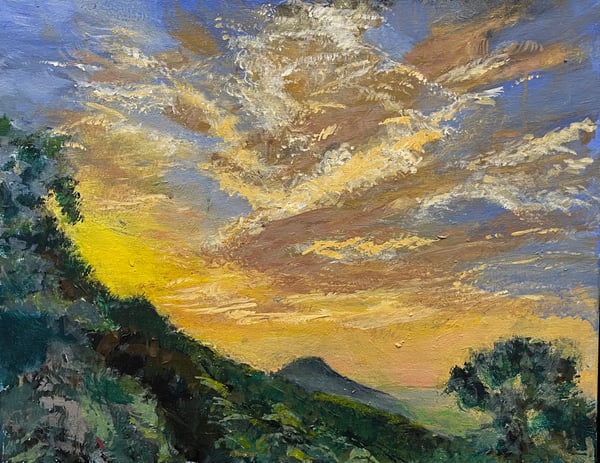
West of Pinacle
Sold
-
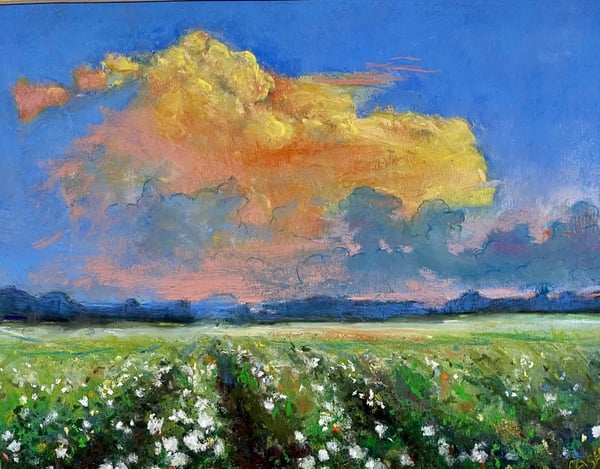
Cotton at Scott
Sold
-
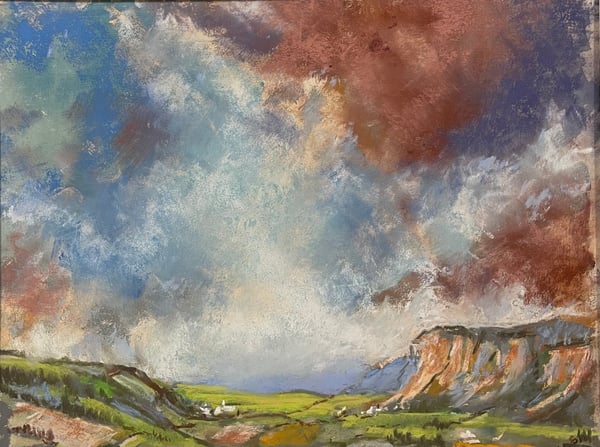
Limedale 2
$750
-
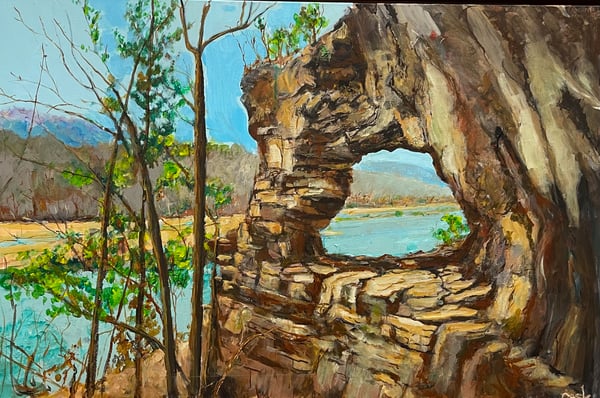
Gateway to Buffalo
$1,500
-
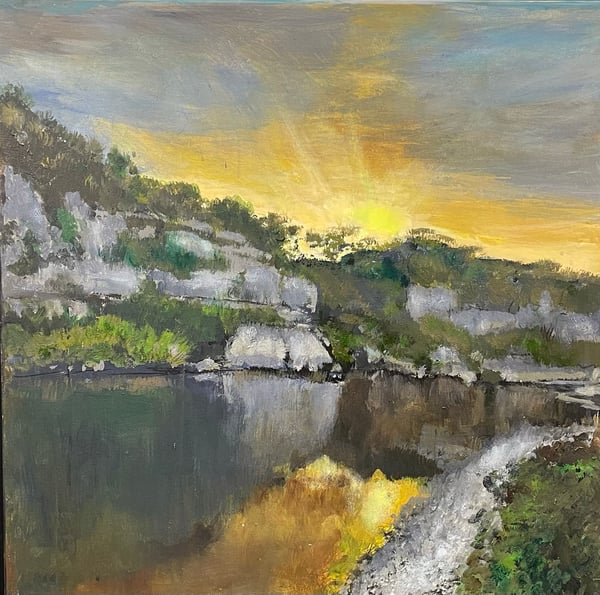
Buffalo Sunrise
$1,200
-
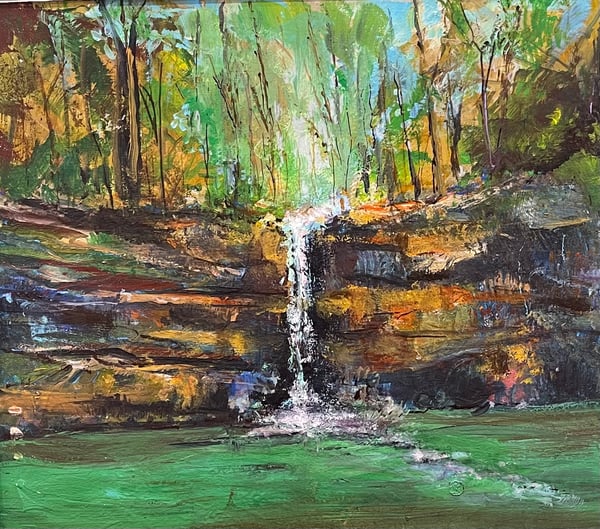
Doty Creek
$500
-
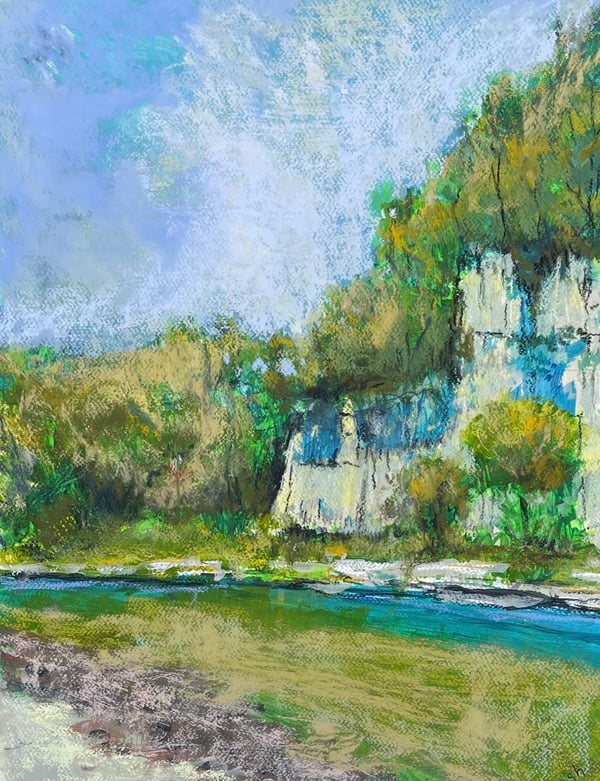
Softness of Nature
$350
-
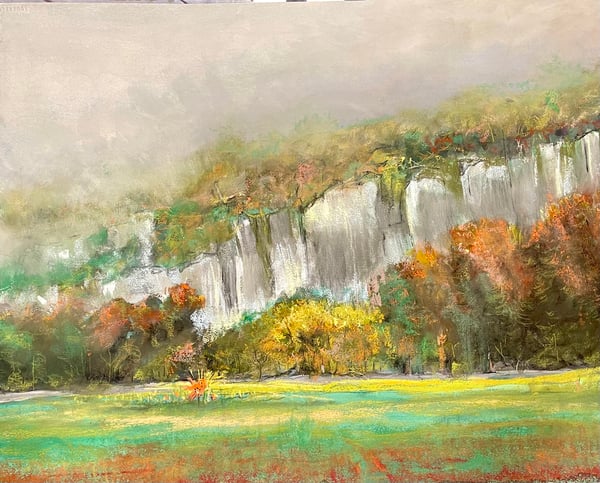
Fog on the Buffalo
$1,200
-
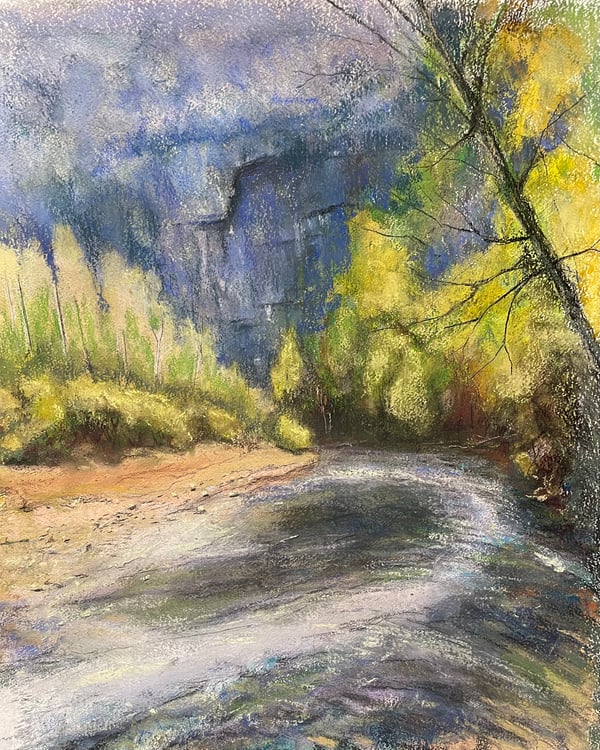
Kyle’s Landing
$500
-
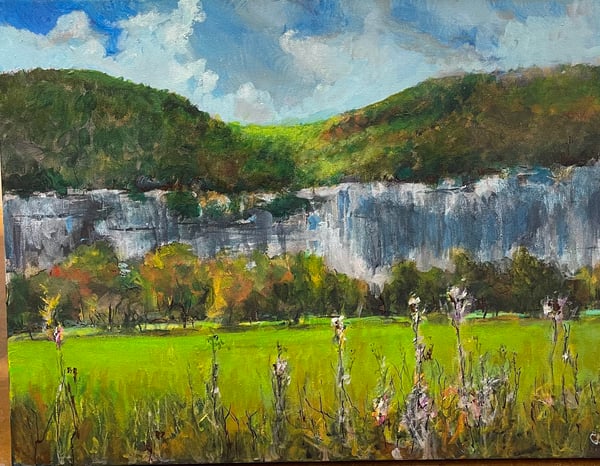
Fall on the Buffalo
$500
-
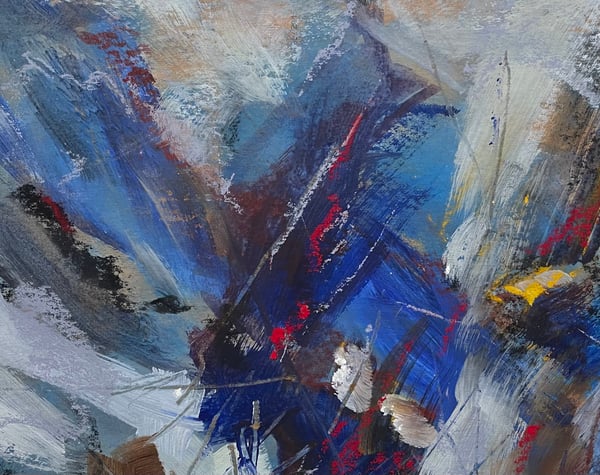
A Dream
Sold
-
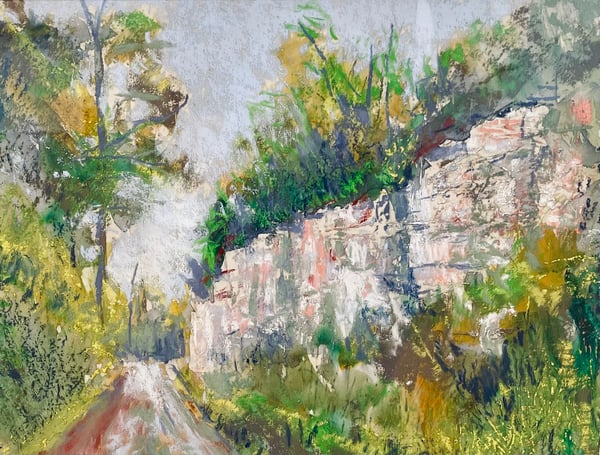
Road to Bliss
$500
-
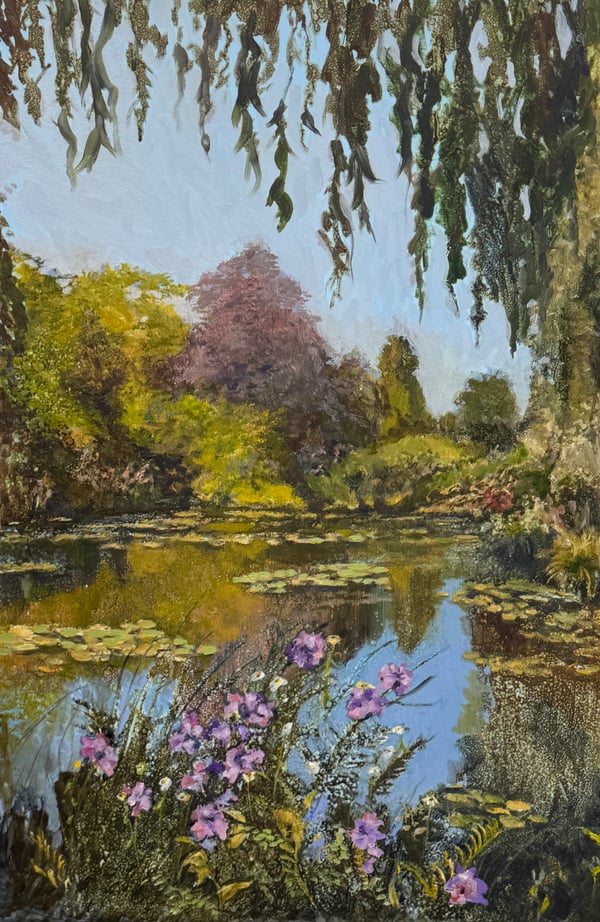
Giverny Pond
$1,200
-
Summer on the Buffalo
$750
-
Sassafras on Buffalo Bottoms
$750
No works match your filters.